Lincoln Heights, America’s First Black City: A Requiem on Conditional Love and Collective Healing
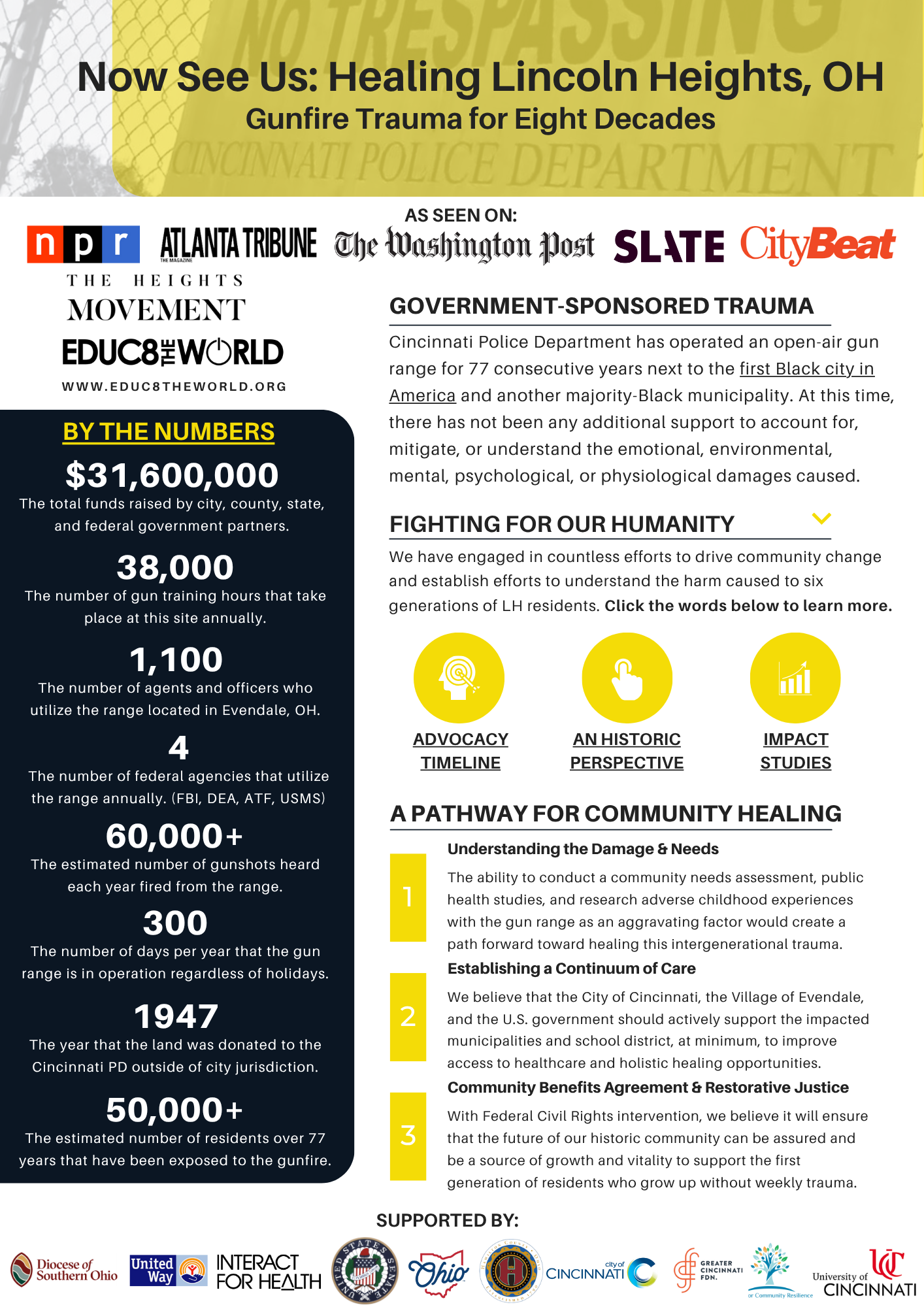
We are Lincoln Heights—America’s first Black city—and somehow, we’re still here.
In this village, love has too often shown up with rules and fine print. Perform to be protected. Produce to be praised. Survive to be seen. We know that script—and we’re rewriting it in our own handwriting.
We’ve been the neighborhood that built the region’s labor while being boxed out of its tax base. The community patrolled more than protected. The place outsiders study, but rarely support. Yet we rise anyway—not because pain makes us holy, but because our people-powered healing makes us whole.
Our motto is our mandate: “Fighting injustice with self-care & healing trauma with communal love.”
This is not abstract. It’s block-by-block, porch-by-porch, generation-by-generation work in Lincoln Heights. We practice self-determination in a world that tried to draw lines around our future—and then told us to be grateful for the leftover land. We’re done auditioning. We’re busy restoring.
The Anatomy of Conditional Love
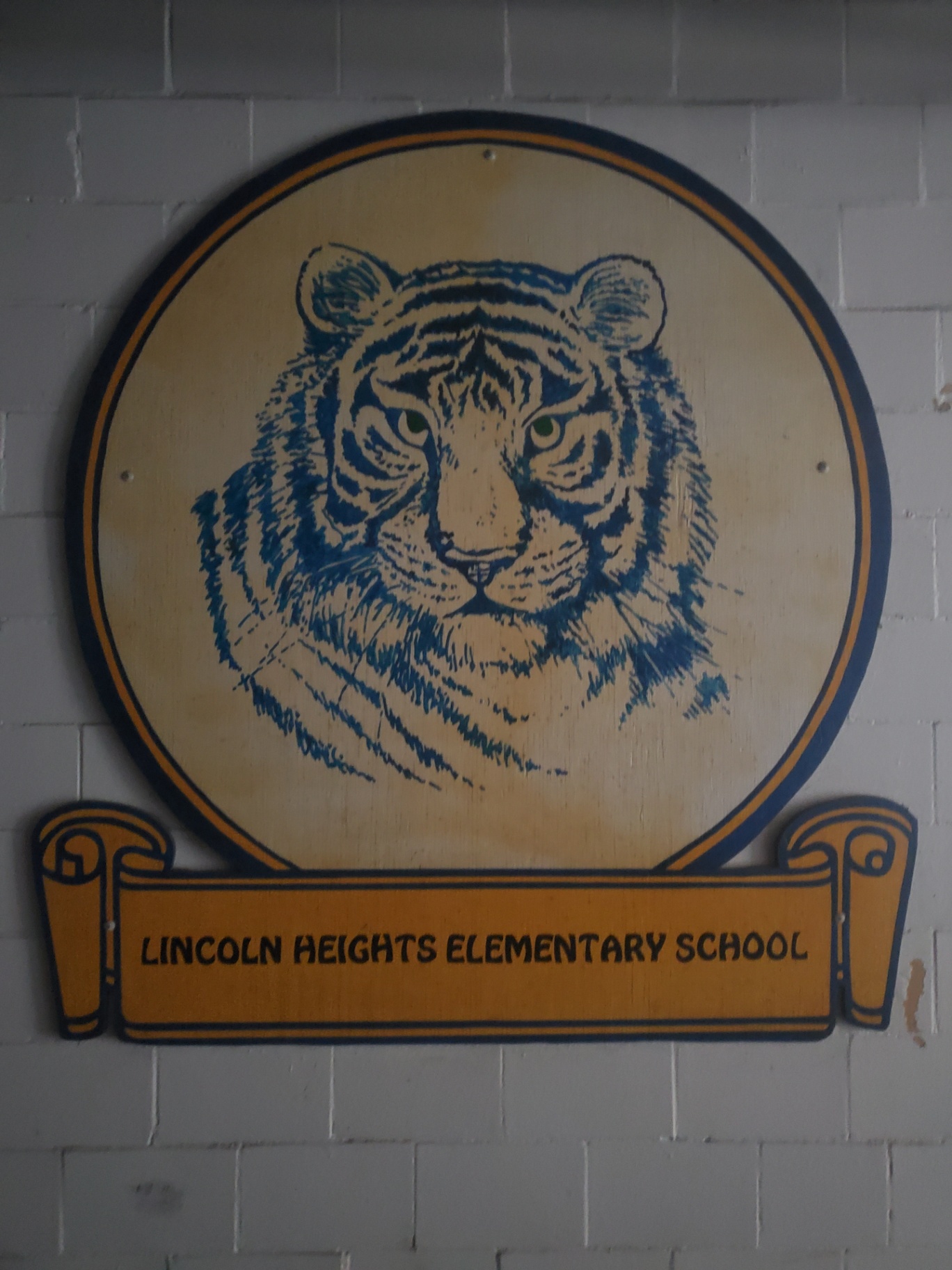
Here’s how conditional love shows up in Lincoln Heights:
Your childhood innocence expires early on our blocks. Before you hit middle school, you’re read as “grown,” surveilled on your own street, and treated like a suspect instead of a child worth protecting.
Your intelligence gets qualified and questioned. Excellence from the Heights is labeled “surprising,” ideas are borrowed without credit, and brilliance is treated like a glitch in the matrix instead of a birthright.
Your emotions get policed. Laugh too loud and you’re “doing the most.” Name harm and you’re “hostile.” Ask for care and you’re “needy.” Healing becomes a performance, not a practice.
Your love gets commodified. We’re asked to love institutions that extract our labor and ignore our needs—factories and corridors built on our backs yet placed just outside our borders so our village couldn’t build a sustainable tax base.
Your success comes with asterisks. If you leave, you “made it.” If you stay, you’re “stuck.” Either way, the story is written to protect someone else’s comfort, not our community’s truth.
This is the daily emotional terrorism of conditional love. In Lincoln Heights, our response is clarity and care: we choose self-care as resistance, restoration as strategy, and communal love as our operating system.
The Historical Blueprint of Hate
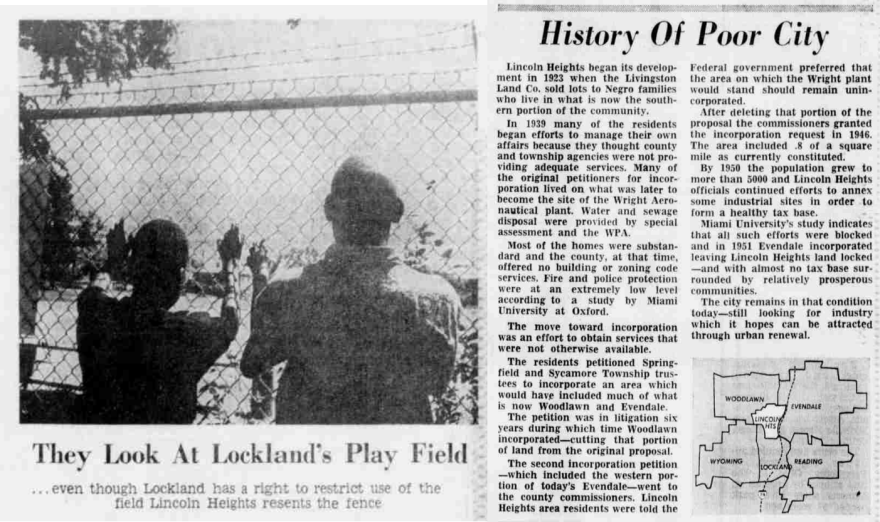
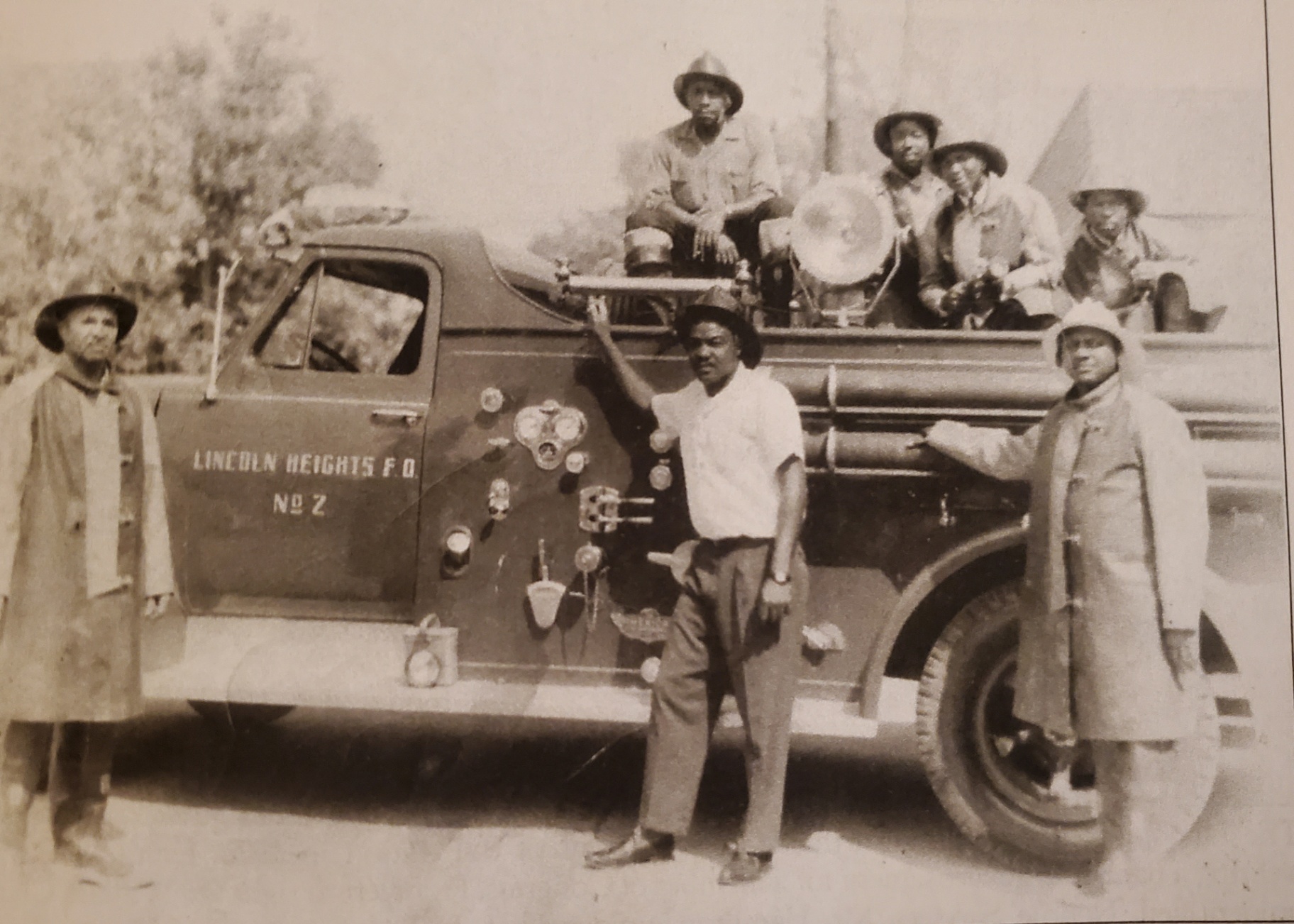
In Lincoln Heights, conditional love was designed into the map. We were incorporated in 1946 by Black families seeking safety, power, and self-governance—then strangled by borders that locked out nearby industrial wealth. Red lines and annexations carved away the factories and high-yield parcels, leaving our village rich in people and poor in revenue by intentional design.
From housing discrimination to over-policing, from shuttered amenities to starved budgets, the message was consistent: keep Lincoln Heights contained, compliant, and dependent. And still, we chose self-determination.
But here’s what they didn’t account for: we kept building anyway. Church choirs that healed. Little leagues that taught discipline. Small businesses that circulated love and dollars. Civic clubs that trained leaders. Families who turned porches into classrooms and kitchens into strategy rooms. That’s Lincoln Heights—ingenuity under constraint, dignity under pressure, community under siege that never surrendered.
The Psychology of Surviving Conditional Love
Living in Lincoln Heights under conditional love shapes the mind. It pulls us between authenticity and acceptance, between survival and self-expression. We feel it in council meetings and classrooms, on sidestreets and sanctuaries.
We learn to perform versions of ourselves. Not to impress, but to avoid harm. We hide tenderness because the world misreads it. We code-switch in spaces that haven’t learned to hear us. We shrink so others can stay comfortable.
We develop hypervigilance as a survival skill. We scan for sirens and side-eyes. We map safe routes home. We anticipate the question behind the question. It’s exhausting. It’s strategic. It’s not the limit of who we are.
We internalize impossible standards. Be twice as good with half the resources? We did it. But perfection isn’t freedom. Healing is.
Here’s the truth: conditional love isn’t love at all. In Lincoln Heights, we’re replacing performance with practices—breath before battle, rest before burnout, counseling without stigma, joy without permission.
Acts of Resistance: Loving Ourselves Anyway
In Lincoln Heights, love is a verb. These are our rituals of resilience:
We create sanctuaries. Barbershops where the clippers hum like prayer. Church basements where healing circles hold our grief and our joy. Porches where elders pass game and offer grace.
We practice people-powered healing. Community walks at sunrise. Wellness check-ins after council meetings. Food drives that nourish bodies and dignity. Quiet rooms at school so our boys can breathe, not break.
We mentor for liberation. Coaches who teach defense and discipline. Aunties who correct with care. Older brothers who pull younger ones close and show them a way through, not just a way out.
We grow what we need. Gardens on vacant lots. Small businesses that hire local. Art that remembers our past and rehearses our future.
We guard our story. We tell Lincoln Heights truth in our own voices so no one else can watermark our history or rename our resilience.
Our North Star stays the same: Fighting injustice with self-care & healing trauma with communal love.
The Cost of Conditional Love on Community
Conditional love doesn’t just wound people—it weakens places. In Lincoln Heights, it looks like neighbors forced to choose survival over self, schools asked to do more with less, and families carrying stress they didn’t create.
We’ve seen hierarchy creep in—who “made it,” who “got out,” who “stayed.” We reject that divide-and-conquer story.
This is how conditional love becomes intergenerational trauma. Fathers taught to swallow emotion. Sons trained to disappear their needs. Daughters holding neighborhoods together without being held themselves.
But we are not our wounds. Lincoln Heights is turning coping into care and care into culture. Healing is not a side quest—it’s the strategy.
Redefining Love: What Unconditional Looks Like
We believe love without conditions is a public safety plan. Value people for existing, not just achieving. Dignity on bad days. Grace after mistakes. Humanity, full stop.
We believe mental health is community wealth. No stigma. Therapy and prayer. Movement and rest. Breath and boundaries. Healing isn’t a luxury—it’s revolutionary.
We believe in the both/and. Strength and softness. Ambition and rest. Leadership and learning. Visibility and vulnerability. We are allowed to be complex.
We refuse respectability traps. We don’t trade our culture for a seat at any table. We build our own tables, widen our porches, and feed our people.
We practice restoration. Conflict with repair. Accountability with compassion. Justice with joy. In Lincoln Heights, healing is not a buzzword—it’s our blueprint.
Building Movements of Authentic Love
The future is people-powered. In Lincoln Heights, transformation looks like resourcing what we already know heals us.
This means funding Black-led healing work in the Heights. Circles, counseling, and community care without hoops or humiliation.
This means protecting youth wellness. Quiet rooms, coaches trained in restorative practices, mentors who honor feelings as much as feats.
This means investing in local leadership. Pay resident facilitators. Train peer counselors. Elevate elders as educators.
This means defending land and home. Policies that stabilize families, protect legacy homeowners, and keep our village whole.
This means telling our story on purpose. Not as pathology, but as possibility. Lincoln Heights is not a case study in lack—it’s a masterclass in liberation.
The Revolution of Unconditional Love
Here’s what we know from Lincoln Heights: we don’t need conditional approval to live free. Our people built this village. Our creativity sustains it. Our care will carry it further than punishment ever could.
We are done auditioning for humanity. We refuse to apologize for survival or excellence. We will not shrink to fit the boxes drawn around us.
We will love ourselves and one another like our future depends on it—because it does. Unconditionally. Completely. Revolutionarily.
This is our requiem for conditional love and our rally cry for collective healing. When we choose self-care, we disrupt injustice.When we practice communal love, we heal intergenerational trauma. When we organize for restoration, we win.
The revolution isn’t coming; it’s happening—on our porches, in our sanctuaries, across our courts, through our classrooms.
We are not America’s most hated; we are its first Black city’s living blueprint for what’s next.
Ready to build with us? Connect with EDUC8theWORLD and help power people-first healing in Lincoln Heights so our folks can breathe, dream, and thrive—without conditions.
Comments