Are Traditional Education Systems Dead? Why Communities Are Building Liberation-Focused Alternatives
The question isn't whether traditional education systems are dead. The real question is: What are we building from the ashes?
Right now, across this country, communities are done waiting for permission. We're not asking bureaucrats to fix what was never designed to serve us. We're building something revolutionary—education rooted in liberation, not limitation.
And we're doing it because we must. Because our children can't wait.
The System Is Hemorrhaging—and That's Not an Accident
Let's be crystal clear about what "struggling" actually means in 2025. Over 400,000 classrooms are operating without certified educators. That's not a teacher shortage; that's a system collapse. Only 28% of 8th graders can do basic math at grade level. Reading scores have cratered to lows we haven't seen in decades.
This isn't failure. This is design.

The U.S. Department of Education just slashed billions from school budgets while eliminating guidance for special education, English language learners, and compliance oversight. They're defunding the infrastructure while demanding the same outcomes. Call it what it is: deliberate sabotage dressed up as "choice."
But here's what they didn't count on: Our people have been building alternatives for generations.
In Lincoln Heights, Ohio—America's first Black city—residents have always known that freedom means building our own institutions. When white America built systems to exclude us, Lincoln Heights built systems to elevate us. That legacy didn't disappear. It evolved—and it's leading again.
Liberation-Focused Education: What We're Building Instead
Liberation-focused education isn't about fixing schools. It's about revolutionizing what learning means.
We're not preparing kids to be compliant workers in someone else's economy. We're cultivating students with the audacity to interrogate systems and the status quo. We celebrate difference instead of enforcing uniformity. We grow so much agency in young people that they begin directing resources and experiences to accomplish their own vision.
The goal isn't to make better students for the existing system. The goal is to make the existing system obsolete.
This isn't new ideology—it's ancestral wisdom. In the 1970s, education reformer John Holt spent a decade trying to change schools from within. After watching teachers remain "hermetically sealed to any change," he abandoned reform entirely. He called for "deschooling" society—envisioning education where "nobody would be compelled to go to school" and where multiple paths to learning replace the single, narrow school path that stays "too easily blocked off from the poor."
Holt understood what we're remembering now: The system will never design its own demise.
Why Communities Are Done Waiting
Communities aren't building alternatives because traditional schools are having a bad year. They're building alternatives because the traditional model was never designed for liberation.
Look at what's working: community-based education programs operating within—but independent from—larger school buildings. Youth-led media initiatives like the Youth Empowerment Broadcasting Organization, creating "spaces of belonging" where young people explore themselves and engage issues impacting their communities.

Some programs embrace self-directed learning and democratic participation, borrowing from business innovations where companies give employees time for independent projects. The "20% time" model nurtures collaborative, creative innovators by offering students similar autonomy.
Others question the entire premise of compulsory, age-segregated, curriculum-driven instruction. They argue that structuring learning around "compulsion and control" rather than "freedom, autonomy, consent, and cooperation" contradicts how humans organized learning for millennia.
They're right.
The Lincoln Heights Blueprint: From Exclusion to Institution-Building
Lincoln Heights didn't just happen to become America's first Black city. It became that because exclusion forced innovation. When white communities refused to let Black families build wealth and power within existing structures, Lincoln Heights residents built their own structures.
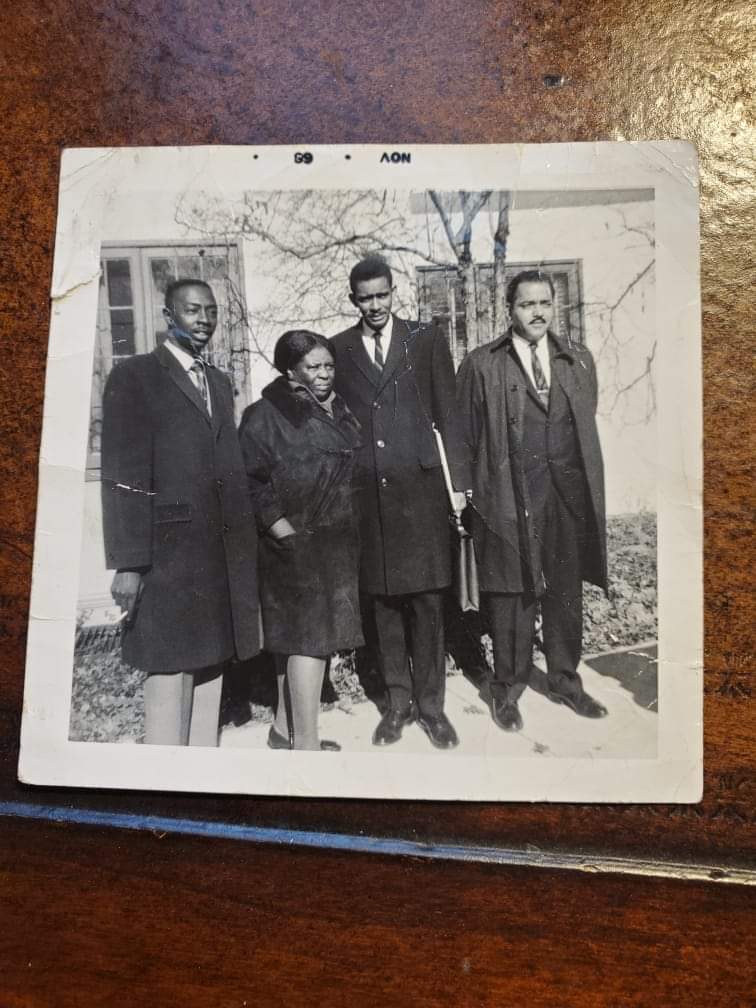
That same spirit—the refusal to beg for inclusion in systems designed to exclude us—is driving today's liberation-focused education movement. Communities that have been systematically underfunded and underserved are saying, "We'll build our own."
And they're not building carbon copies of what failed them. They're building launching pads, not cages.
The Lincoln Heights model shows us what's possible when communities control their own institutions; when education serves community self-determination rather than external compliance; when young people see themselves as leaders, not products.
The Technology of Resistance
Today's alternative builders have tools previous generations could only dream of. Digital platforms enable distributed learning networks. Community partnerships create resource-sharing that bypasses traditional funding gatekeepers.
But the most powerful technology isn't digital—it's collective action. Communities are pooling knowledge, resources, and commitment to create educational ecosystems that center healing, critical thinking, and transformative leadership.
These aren't isolated experiments. They're networked resistance. Each successful alternative strengthens the entire movement by proving another world is possible.
The Moment We're In
Traditional systems retain advantages—elite universities still drive discovery, research complexes still generate innovation. But the foundation is eroding. Adult numeracy is slipping. Attendance is too low. Teacher vacancies are too high.
The disconnect is stark. The world of 2025—defined by AI, climate technology, and biosciences—demands numeracy-heavy and attention-rich capabilities. Traditional education is producing the opposite.
Great powers can survive many mistakes. They can't survive indefinitely on prestige at the top and an eroding median.
What Liberation Looks Like
Liberation-focused education isn't about abandoning rigor; it's about redefining what rigor means. Instead of standardized compliance, we measure students' ability to analyze systems, solve community problems, and lead transformative change. Instead of preparing students for jobs that might not exist, we prepare them to create the futures they want to live in. Instead of teaching them to fit into existing hierarchies, we teach them to build new institutions rooted in justice.
Our principles are simple. Our convictions are non-negotiable:
Build new institutions, not patch broken ones. We defect from mediocrity and design upgrades, not band-aids.
Center liberation over standardization. Curriculum must free minds, not fence them in.
Cultivate critical thought and creative resistance. We interrogate power and invent better ways.
Develop leaders, not products. Students are decision-makers, designers, and doers.
Fund futures, not problems. Investment should seed sustainable change, not sustain dysfunction.
Trust community over credentials. Lived experience leads; paperwork follows.
Integrate healing into pedagogy. Wellness is not extra credit—it’s infrastructure.
Scale power, not just programs. We grow capacity, coalitions, and community control.
Be the upgrade. We don't wait for permission; we set the new standard.
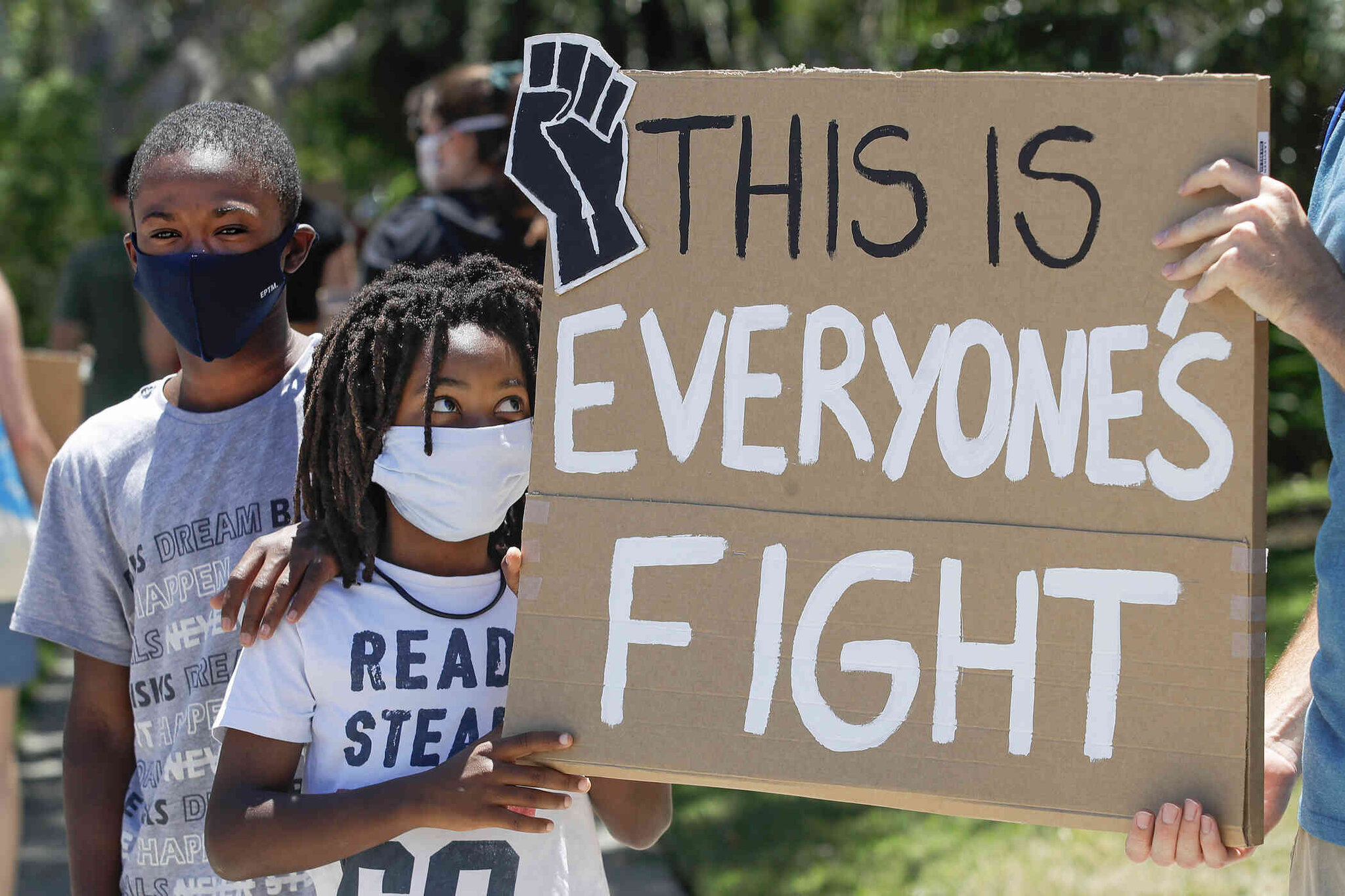
This is everyone's fight. Not because everyone deserves equal access to a broken system, but because everyone deserves learning that honors their full humanity.
The Choice Ahead
Traditional education systems aren't dead, but their legitimacy increasingly depends on reforms they seem structurally unable to make. Meanwhile, communities building liberation-focused alternatives are betting that meaningful education for the 21st century requires not fixing the existing system, but creating something entirely different.
The question isn't whether change is coming. Change is here.
The question is whether we'll shape it or let it shape us. Whether we'll build from our values or rebuild someone else's failures.
We choose to build.
We choose to center our young people as leaders, not products. We choose education as a practice of freedom, not training for compliance. We choose community self-determination over bureaucratic permission.
The revolution in education isn't coming someday. It's happening right now. In Lincoln Heights and communities like it across the country. In every space where people refuse to accept that "good enough" is good enough for our children.
The system is dying. Something beautiful is being born.
The only question left is: Are you building with us?
Comments