Healing-Centered Pedagogy Secrets Revealed: What Traditional Educators Don't Want You to Know About Mental Health in Schools
They told us to sit down, shut up, and memorize. They told us our trauma was a discipline problem. They told us our pain didn't belong in classrooms.
They lied.
For too long, traditional education has treated our children: especially Black and Brown children: like broken machines needing repair instead of whole human beings deserving healing. While educators debate test scores and funding formulas, our kids are drowning in silence, carrying wounds that no worksheet can heal.
But here's what they don't want you to know: There's already a revolution happening in schools across America. And it's being led by communities who refuse to accept that trauma is just "part of growing up."
The Truth They've Been Hiding
Healing-centered pedagogy isn't some fancy academic theory gathering dust in university libraries. It's a life-saving approach that recognizes what our grandmothers always knew: you can't teach a child who doesn't feel safe. You can't educate a mind that's constantly in survival mode.

Traditional schools ask, "What's wrong with you?" when children act out, struggle, or shut down. Healing-centered schools ask, "What happened to you?" and then they ask the question that changes everything: "What's right with you?"
This isn't about being soft or lowering standards. This is about recognizing that one in four children in our classrooms has experienced trauma. That's not a statistic: that's someone's baby. Someone's future. Someone's hope.
Lincoln Heights Knew This First
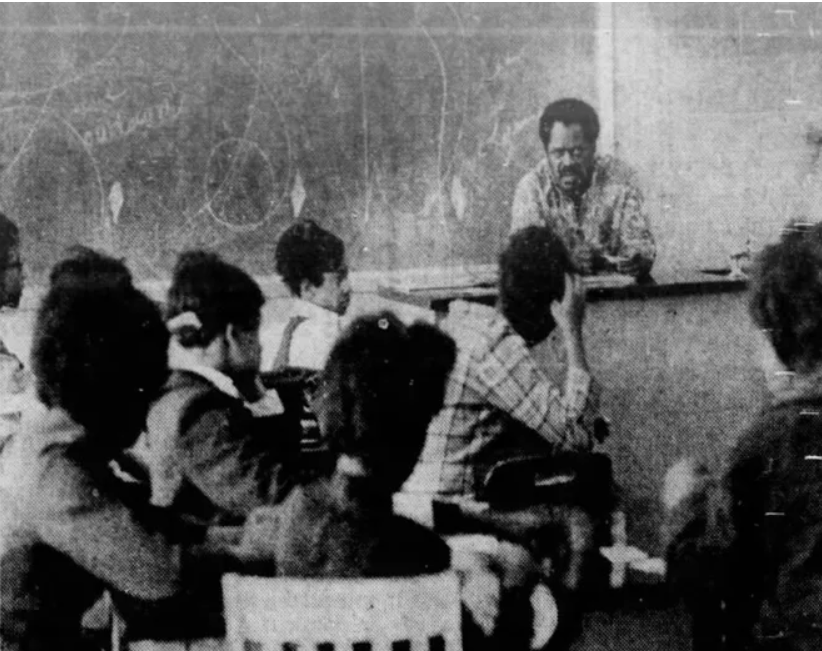
Long before academia coined the term "healing-centered pedagogy," the people of Lincoln Heights, Ohio: America's first Black city: were creating spaces where children could heal and thrive. Founded by formerly enslaved people who understood that freedom meant more than just escaping bondage, Lincoln Heights built a community where education was about liberation, not just learning.
The founders of Lincoln Heights didn't have research studies or federal grants. They had something more powerful: the lived wisdom of people who had survived trauma and refused to pass it on. They knew that real education happens when children feel seen, valued, and safe.
What Healing-Centered Schools Actually Do
Forget the academic jargon. Here's what healing-centered pedagogy looks like in real life:
They flip the script on discipline. Instead of suspensions and punishment, these schools use restorative justice. When a child acts out, they don't get kicked out: they get wrapped up. The community circles around them, asking what they need to heal and grow.
They hire counselors, not more security guards. While traditional schools are installing metal detectors, healing-centered schools are installing meditation spaces. They're choosing therapists over police officers.
They teach emotional literacy alongside reading literacy. Children learn to name their feelings, understand their triggers, and develop coping strategies. These aren't "soft skills": they're survival skills.
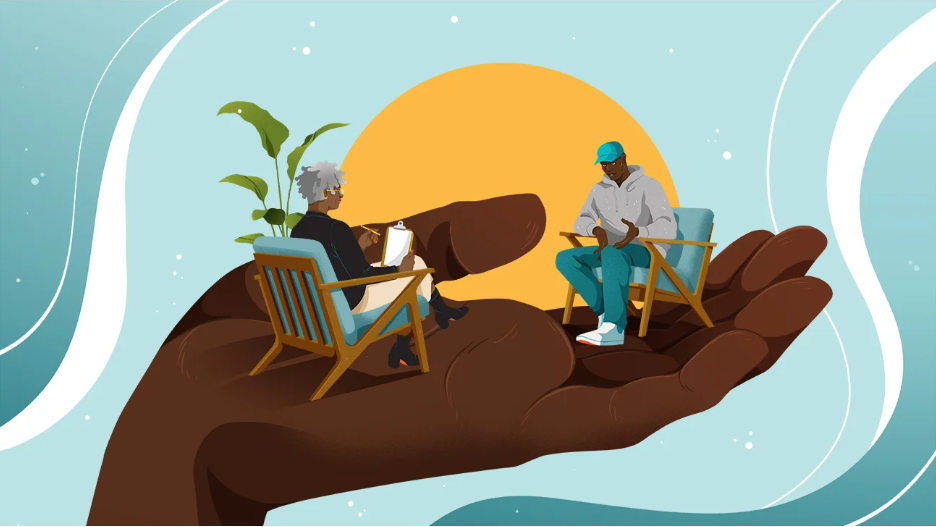
They center community voices. Parents aren't just invited to PTA meetings: they're co-creators of their children's educational experience. Elders share their wisdom. Community members become part of the healing village.
The Staff Revolution
Here's something most people don't know: teachers are traumatized too. They're expected to perform miracles with limited resources, blamed for society's failures, and often working in the same unsafe conditions as their students.
Healing-centered schools recognize that hurt teachers can't heal children. They implement "tap in, tap out" systems where overwhelmed educators can take breaks without shame. They provide mental health support for staff. They create cultures where asking for help is seen as strength, not weakness.
Teachers in these schools don't just teach subjects: they become healing practitioners. They learn to recognize trauma responses, implement grounding techniques, and create classrooms that feel like sanctuaries instead of battlefields.
Breaking Down the Academic Walls
Traditional education loves its silos. Math class. English class. History class. All separate. All isolated.
Healing-centered pedagogy tears down these artificial walls. It recognizes that a child's emotional well-being affects their ability to solve math problems. That their cultural identity impacts how they understand history. That their mental health determines whether they can focus on reading.
These schools use what they call "whole-child approaches": fancy words for something simple: treating children like complete human beings instead of academic robots.

The Community Healing Model
But here's the real secret: individual healing isn't enough. Trauma doesn't happen in isolation: it's systemic. It's rooted in racism, poverty, violence, and oppression. You can't heal a child without healing their community.
Healing-centered schools become community healing centers. They offer services for whole families. They address food insecurity, housing instability, and healthcare access. They recognize that a child who goes home to chaos can't maintain peace at school.
This is why traditional educators are nervous about this approach. It forces uncomfortable conversations about why trauma exists in the first place. It challenges systems of oppression that they've either ignored or actively perpetuated.
The Results Speak Volumes
The data is clear, even if they don't want you to see it:
Schools using healing-centered approaches see dramatic reductions in suspensions and expulsions
Academic achievement improves across all demographics
Teacher retention increases significantly
Community engagement skyrockets
Students report feeling safer and more connected
But the most important result can't be measured by standardized tests: children who were once broken are now whole. Students who were labeled "problems" become problem-solvers. Kids who were written off become writers of their own stories.
The Resistance Is Real
Make no mistake: there are forces working against this revolution. Some traditional educators feel threatened by approaches that center student voices and community wisdom. Some policymakers prefer punitive systems that maintain existing power structures.
They'll tell you healing-centered pedagogy is too expensive. But how much does it cost to keep building prisons? How much does it cost to lose an entire generation to trauma?
They'll say it's not "rigorous" enough. But what's more rigorous than facing your pain and transforming it into power?
They'll claim it's "soft" or "experimental." But communities of color have been practicing healing-centered approaches for centuries: long before white academia gave it a name.
The Revolution Starts With Us
You don't need permission from superintendents or school boards to start healing. You don't need advanced degrees or federal funding. You need what the people of Lincoln Heights had: the courage to center love over fear, healing over harm, community over competition.
If you're a parent, start asking your child's school about their mental health policies. Demand to know how they handle trauma. Push for restorative justice instead of zero-tolerance policies.
If you're an educator, begin incorporating healing practices into your classroom. Learn about trauma responses. Create space for students to share their stories. Treat behavior as communication, not defiance.
If you're a community member, recognize that every child in your neighborhood is your child. Show up. Speak up. Wrap up these babies in the love and protection they deserve.
The secret is out: healing-centered pedagogy works because it treats children like human beings worth saving. It works because it recognizes that education without liberation is just sophisticated oppression.
The revolution is happening. The only question is: Will you join it?
Ready to transform education in your community? Connect with us at EDUC8theWORLD and let's build healing-centered schools together.
Comments